
Solo Living Can Be Safer Than You Think For Seniors Today

Aging alone often gets a bad rap, seen as risky for both body and mind. The truth paints a different picture. With smart planning and clear expectations, living solo in later years can feel cozy and safer than most expect. This idea flips the usual story, showing that independence doesn’t have to mean danger or loneliness. People who figure out how to build a secure, enjoyable space for themselves prove that aging solo can be a rewarding journey. Dive in to discover how to make your own later years shine with confidence and peace.
This article looks at practical steps and real world examples that show how older adults can maintain independence while lowering risks. I will outline common concerns and clear actions families and seniors can take right away.
Solo Living Can Be Safer Than You Think For Seniors Today
Recent findings from national health surveys highlight that a sizable number of adults in their 70s and 80s live alone and manage quite well. These studies indicate that living alone does not automatically mean poor outcomes. Many people who live solo report good physical functioning and active social lives.
That data does not remove all risk, but it does change the frame. Instead of assuming danger, consider which factors actually predict problems. Mobility limits, unmanaged chronic conditions, and isolation raise the chance of harm. When those issues are addressed with targeted steps the living situation can be safe for a long time. For more context and statistics about people living alone in later life you can read the full story and see the numbers that shape current thinking.
Common safety concerns for seniors living alone
Family members often worry about falls, medication mistakes, sudden illness, and quick access to help after a fall. Understanding the frequency and cause of these events helps set priorities.
Falls and emergency response
Falls are a leading cause of injury among older adults. A fall can result from a simple trip, a medical issue, or a slip in a wet area. The most useful safety move is reducing fall risk at the source. That means removing hazards, improving lighting, and keeping walkways clear. It also means having a reliable way to call for help if a fall happens.
Medication management and chronic conditions
Mismanaged medications can lead to dizziness and confusion. For many people living alone a clearly labeled weekly pill box and a scheduled check in from a caregiver or clinician reduces errors. Regular reviews with a primary clinician to align medications and to cut unnecessary prescriptions lower risk and simplify routines.
Practical home changes that reduce risk
Many safety upgrades cost little and make a big difference. Below are concrete changes to consider and how to prioritize them.
- Improve lighting Replace dim bulbs with higher lumen options in hallways stairs and bathrooms. Motion activated lights by the bedroom and bathroom threshold reduce trips at night.
- Install grab bars Place grab bars near the toilet and in the shower. Bars are inexpensive and reduce the chance of losing balance while standing or transferring.
- Non slip flooring and rugs Use rugs with non slip mats and replace slippery surfaces with textured options when feasible.
- Clear pathways Remove furniture or clutter that narrows walking routes. Keep a single clear path from bedroom to bathroom and kitchen.
- Emergency contact list Post a list near the phone and on the refrigerator with names phone numbers and preferred contacts in case of sudden illness.
- Fire safety Install smoke detectors on every level and check batteries twice a year. Consider a small monitored stove shut off device if forgetfulness around cooking is a concern.
Technology options that actually help without complexity
Modern tools can be useful but only if they are easy to use and reliable. Choose options that match a person s comfort level with technology and avoid systems that require frequent updates or complex setup.
- Simple emergency pendants Many pendants connect to a monitoring center with one push. Choose units with good battery life and a loud speaker so the person can be heard if lying on the floor.
- Medication reminders Electronic pill dispensers that lock and remind by sound and light reduce missed doses. For lower tech solutions try prefilled weekly pill boxes and a phone alarm.
- Remote monitoring for families A motion sensor or smart door sensor can alert a family member if daily activity changes dramatically. Use alerts as a prompt to check in rather than as the sole way to assess well being.
- Voice activated helpers For those comfortable with voice devices a simple command can call family or play a reminder. Limit connected skills to reduce confusion.
Social connection and mental health when living alone
Isolation contributes to depression and cognitive decline. Social life is a crucial component of safe living alone. The goal is regular meaningful interaction rather than constant contact.
Staying connected with family and friends
Set predictable routines for check ins. For example a phone call every morning or a neighbor who drops by once a week creates a pattern that family can monitor. Local senior centers and community groups offer classes or meals that build routine social contact.
Structured activities that add purpose
Volunteering light part time work and hobby groups help maintain identity and purpose. Even short regular outings such as a weekly library visit or exercise class increase activity levels and reduce isolation.
When living alone may need reconsideration
Most people can live safely alone with reasonable supports. Certain changes suggest the need to revisit that decision. These include repeated falls even after home modifications pronounced memory decline that affects safety and major difficulty managing day to day tasks such as food preparation and medication.
If the person resists long term changes start with small steps. Add a home care visit a few days a week or try a temporary stay with family for several weeks to assess needs. These short windows often clarify whether more sustained support is required.
How family members and professionals can support safe solo living
Support works best when it respects independence while addressing clear risks. Family can help with planning without taking control. Here are practical ways to help that respect autonomy.
- Make a prioritized checklist Start with the highest risk issues such as slippery floors and unpaid medications. Tackle one item each week rather than attempting a full overhaul.
- Schedule regular medical reviews Encourage periodic check ups to manage chronic conditions and to review medications with a clinician.
- Hire occasional help A few hours of home care weekly for heavy chores or errands can preserve energy and reduce fall risk.
- Set up a test period If changes are needed try a temporary routine such as daily morning calls for 30 days then reassess. Data from short trials makes longer decisions easier.
- Document preferences Keep a clear list of the person s wishes for care and daily routine. This reduces conflict and speeds up decisions in an emergency.
Real life examples that show what works
Meet Joan age 78 who lives alone in a single level apartment. A home safety review led to brighter bulbs grab bars and weekly grocery deliveries. Joan uses a simple emergency button and calls her neighbor each morning. Her confidence rose and her fall rate went to zero after the changes.
Then there is Martin age 82 who struggled with medication timing. His doctor reduced the number of pills and a prefilled weekly dispenser with a loud alert solved missed doses. He now attends a local walking group three times a week and reports stronger mood and better sleep.
These examples show how targeted changes reduce the hazards that cause most harm. The steps are concrete and repeatable for many people in similar situations.
Living alone in later life is a choice that can be maintained with planning sensible solutions and regular review. Small investments in the home a realistic approach to technology and steady social contact do more to improve safety than fear driven reactions. Families play a key role when they offer support that respects personal control and focuses on the specific risks present.
If you are caring for someone or planning your own future start with a short checklist. Walk through the home check lighting remove tripping hazards and schedule a medication review with a clinician. Arrange a trial of a simple emergency button and set up a regular call routine. These steps take little time and deliver clear results.
Living alone does not have to mean living at risk. With the right mix of prevention community engagement and simple tools many seniors can enjoy independence and a high quality of life. If you want to move forward today pick one small change and make it happen. A single action this week such as installing a grab bar or setting up a morning check in can set the pattern for safer solo living in the months ahead.
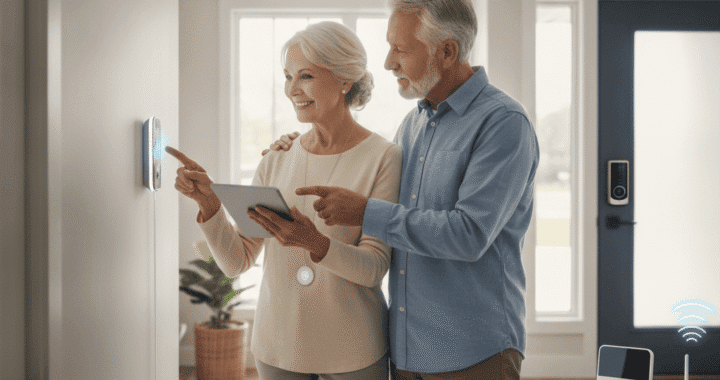 Confidently Choose Senior Home Safety Technology
  Durability Of Large Units
  School Campus Maintenance Requirements
  Quit Hesitating on Financial Debt
  Great Spots For Boat Tours
  Industrial Tools Leasing Solutions