
School Campus Maintenance Requirements
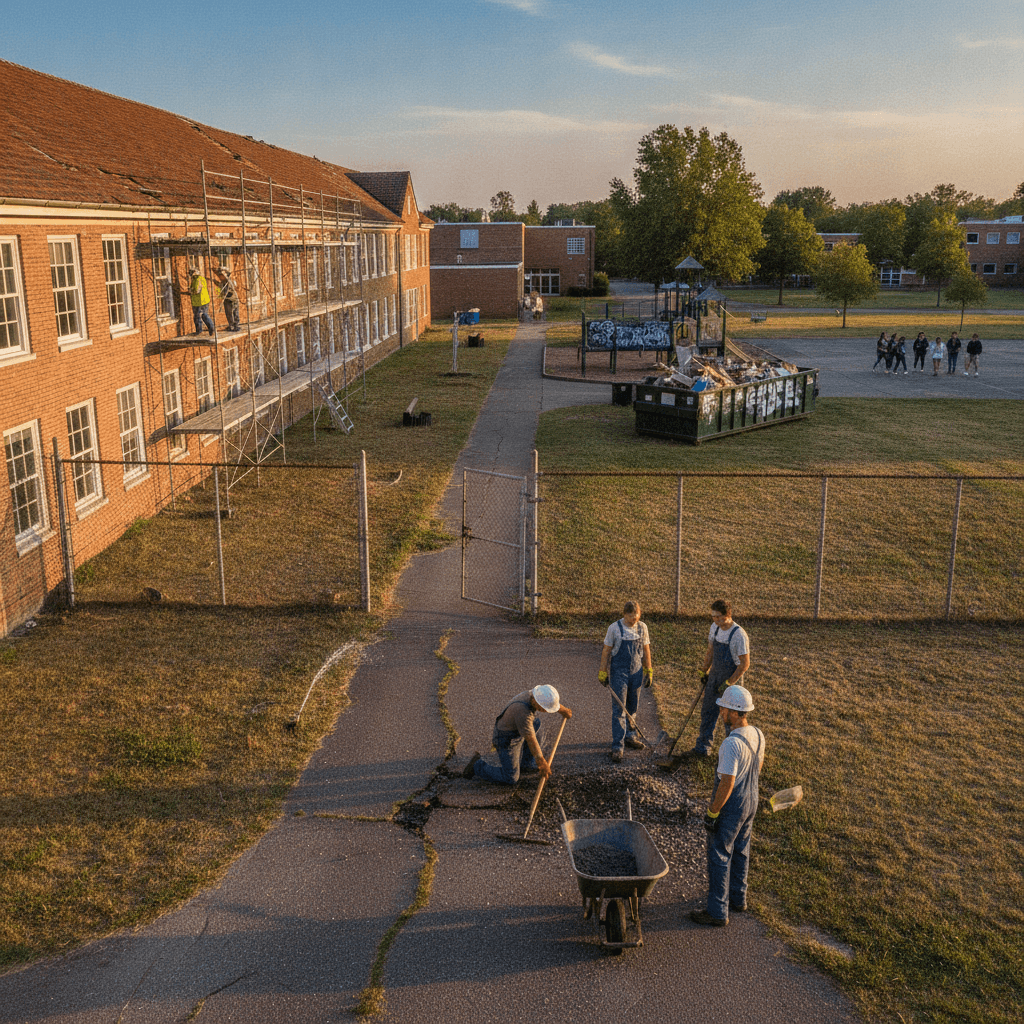
Ensuring a school campus operates smoothly and safely is a big task. It requires consistent effort and a clear understanding of what needs to be done. I have seen firsthand how proper maintenance keeps a learning environment functional for everyone involved.
From the classrooms where students learn to the playgrounds where they spend their breaks, every part of a school needs regular attention. This upkeep is not just about appearances but also about safety, longevity of assets, and creating a positive atmosphere for education. Neglecting these areas can lead to bigger problems later on.
I believe a proactive approach to school campus maintenance is the most effective. It helps prevent costly emergency repairs and ensures that facilities remain in top condition for years. This article will outline the essential requirements for maintaining a school campus, covering various critical areas.
Understanding the Basics of School Campus Maintenance Requirements
School campus maintenance is more than just fixing broken things. It involves a systematic approach to keep all school facilities and grounds in excellent working order. This includes everything from the buildings themselves to the landscaping and utility systems. A well-maintained campus directly supports the educational mission.
I think of it as protecting a valuable investment. Schools are central to our communities. We need to preserve them. Good maintenance practices mean less downtime from repairs and a better learning experience for students and staff. It also helps manage budgets effectively over time.
Proper planning is key for any maintenance program. This planning should consider the age of the buildings, the local climate, and the amount of daily use. We also need to think about the specific needs of a school. Children are more sensitive to certain environmental factors so we must be very careful.
Developing a Comprehensive Maintenance Plan
A strong maintenance plan starts with a detailed assessment of the entire campus. This means looking at every building, every piece of equipment, and every outdoor area. I recommend creating a checklist of all assets and their current condition.
Once we have this overview, we can set priorities. Some issues will need immediate attention, but others can be scheduled for routine upkeep. The plan should include both preventative maintenance and a system for addressing unexpected repairs.
This plan should be a living document. It should be reviewed and updated regularly. We learn from experience, and new technologies can improve efficiency. Regular review ensures the plan stays relevant and effective.
Prioritizing Structural Integrity and Building Systems
The structural integrity of school buildings is non-negotiable. I mean this in the most serious way. We must ensure the roofs, foundations, walls, and windows are sound. Issues in these areas can lead to safety hazards and very expensive fixes if ignored. A leaking roof, for example, can damage interiors and create mold problems very quickly.
Regular inspections of these structural components are necessary. Look for cracks, signs of water intrusion, or unusual wear. Addressing small issues quickly prevents them from becoming major headaches. This preventative mindset is vital for school facilities. We want to catch problems early.
Beyond the structure, the building’s internal systems are also critical. These include electrical, plumbing, HVAC, and fire safety systems. They all need constant checks. They keep the school functional and comfortable. They also ensure a healthy and safe environment.
Maintaining Essential Utility Systems
Plumbing systems require careful attention to prevent leaks and blockages. Leaky pipes can cause significant damage to floors, walls, and ceilings. They also waste water, which is bad for the environment and the budget. Regular checks of pipes, faucets, and toilets should be part of the routine. If there is a plumbing emergency, like a burst pipe near a school, it needs immediate professional help. For instance, finding a reliable plumber near St. Pius X High School would be a top priority to minimize damage and disruption.
The HVAC system keeps the air quality good and temperatures comfortable. This is very important for student health and focus. Filters need regular changing and ducts should be cleaned periodically. We want to avoid allergens and pollutants circulating through classrooms.
Electrical systems must be inspected by qualified professionals. They ensure safety and efficiency. Faulty wiring can be a fire hazard so regular safety checks are a must. All fire alarms and sprinkler systems also need regular testing and maintenance to comply with safety regulations.
Upholding Grounds and Landscape Maintenance Standards
The outdoor areas of a school campus are just as important as the indoors. Well-maintained grounds create an inviting first impression. They also offer safe spaces for recreation and outdoor learning. I always stress the importance of beautiful and functional outdoor areas.
This work involves caring for lawns, trees, shrubs, and flowerbeds. It also means keeping walkways clear and safe. Weeds need to be controlled. Fallen leaves and debris should be removed regularly. These simple tasks make a big difference in the overall appearance and safety.
Playgrounds need special attention. Equipment must be inspected for wear and tear. Loose bolts or sharp edges could cause injuries. The surfacing under play structures also needs to be maintained. It should be soft and safe to absorb impacts. We want children to play safely.
Managing Outdoor Facilities and Sports Areas
Sports fields and courts require specific care to stay in good condition. This includes proper irrigation, fertilization, and regular mowing for grass fields. Hard courts like basketball or tennis courts need cleaning and occasional resurfacing. These areas see heavy use so upkeep is essential for longevity.
Fences and gates around the school perimeter also need checks. They ensure security. Any damage should be repaired right away. We want to keep unwanted visitors out and students safely inside the campus boundaries.
Parking lots and driveways also need maintenance. Look for cracks or potholes that can be tripping hazards or damage vehicles. Repainting lines keeps traffic flow organized and safe. This attention to detail makes the entire campus more efficient and safer for everyone.
Implementing Janitorial Services and Interior Upkeep
Cleanliness is paramount in a school setting. Janitorial services are a fundamental part of school campus maintenance requirements. A clean environment promotes health and hygiene. It also creates a more pleasant atmosphere for learning.
Daily cleaning tasks involve dusting, sweeping, mopping, and sanitizing surfaces. Restrooms need frequent cleaning to prevent the spread of germs. Trash removal is also a constant need. We want to keep common areas spotless.
Beyond daily cleaning, there are deeper cleaning tasks. These might include waxing floors, cleaning carpets, or washing windows. These tasks are usually done less often but are still very important for long-term maintenance. I recommend scheduling these during school breaks to avoid disruption.
Addressing Classroom and Furniture Maintenance
Classrooms are where students spend most of their day. Desks, chairs, whiteboards, and other classroom furniture need regular checks. Loose screws or broken parts should be fixed immediately. This ensures a comfortable and safe learning space.
Walls and paint also need attention. Scuffs and marks are common in schools. Fresh paint can brighten a room and make it feel new. It helps boost morale. I have found that a well-maintained classroom contributes to better student engagement.
We also need to consider air quality inside classrooms. Proper ventilation is vital. Ensuring filters are clean in individual units or central systems helps keep the air fresh. This helps prevent the spread of airborne illnesses. It protects student and teacher health.
Leveraging Technology for Efficient Maintenance
Modern maintenance programs often use technology to improve efficiency. Computerized Maintenance Management Systems, or CMMS, are a great example. These systems can track maintenance requests. They can schedule preventative tasks. They can also manage inventory for supplies.
I see technology as a powerful tool to streamline operations. It helps maintenance teams be more proactive and less reactive. Data from these systems can help identify recurring problems. This allows for better long-term planning. It helps allocate resources more effectively.
Using sensors for things like HVAC systems or plumbing can also provide real-time data. This allows for early detection of issues. It prevents potential breakdowns. Predictive maintenance is the future, and it means fewer surprises. This is a huge benefit for busy school campuses.
Training Staff and Promoting Awareness
Even with the best technology, people are still at the heart of effective maintenance. Training maintenance staff on new tools and techniques is important. It ensures they can use these systems effectively. It keeps their skills sharp.
Beyond the dedicated maintenance team, promoting a culture of awareness among all staff and students is also helpful. Encouraging everyone to report maintenance issues quickly helps. It means problems are addressed before they grow. This shared responsibility benefits the entire school community.
Simple training for staff on minor issues, like how to properly clean a spill or identify a basic plumbing leak, can also be beneficial. It allows for quick action on small problems. This frees up the professional maintenance team for bigger tasks. It creates a more responsive environment.
Conclusion: The Lasting Impact of Diligent School Campus Maintenance Requirements
Maintaining a school campus is a continuous and complex undertaking. It covers many areas, from the strong structures of buildings to the health of the plants outside. Every single component plays a part in creating a safe, functional, and positive environment for learning. A campus that is well-cared for sends a clear message. It shows that the school values its students and staff. It demonstrates a commitment to their well-being and success.
I believe that prioritizing school campus maintenance requirements is an investment. It is not just an expense. It extends the life of facilities. It saves money on emergency repairs. It also creates a more appealing and healthier place for everyone. A consistent, proactive approach leads to better academic outcomes and a stronger sense of community pride. When we commit to these standards, we are building a better future for our children. We are supporting the educators who dedicate their lives to teaching. This careful attention helps schools serve their communities for many years. We must all work together to achieve this goal for every school.
 Durability Of Large Units
  Quit Hesitating on Financial Debt
  Great Spots For Boat Tours
  Industrial Tools Leasing Solutions
  Tax Savings Help Retirement Planning
  Apps for Healthcare Purposes