
Confidently Choose Senior Home Safety Technology
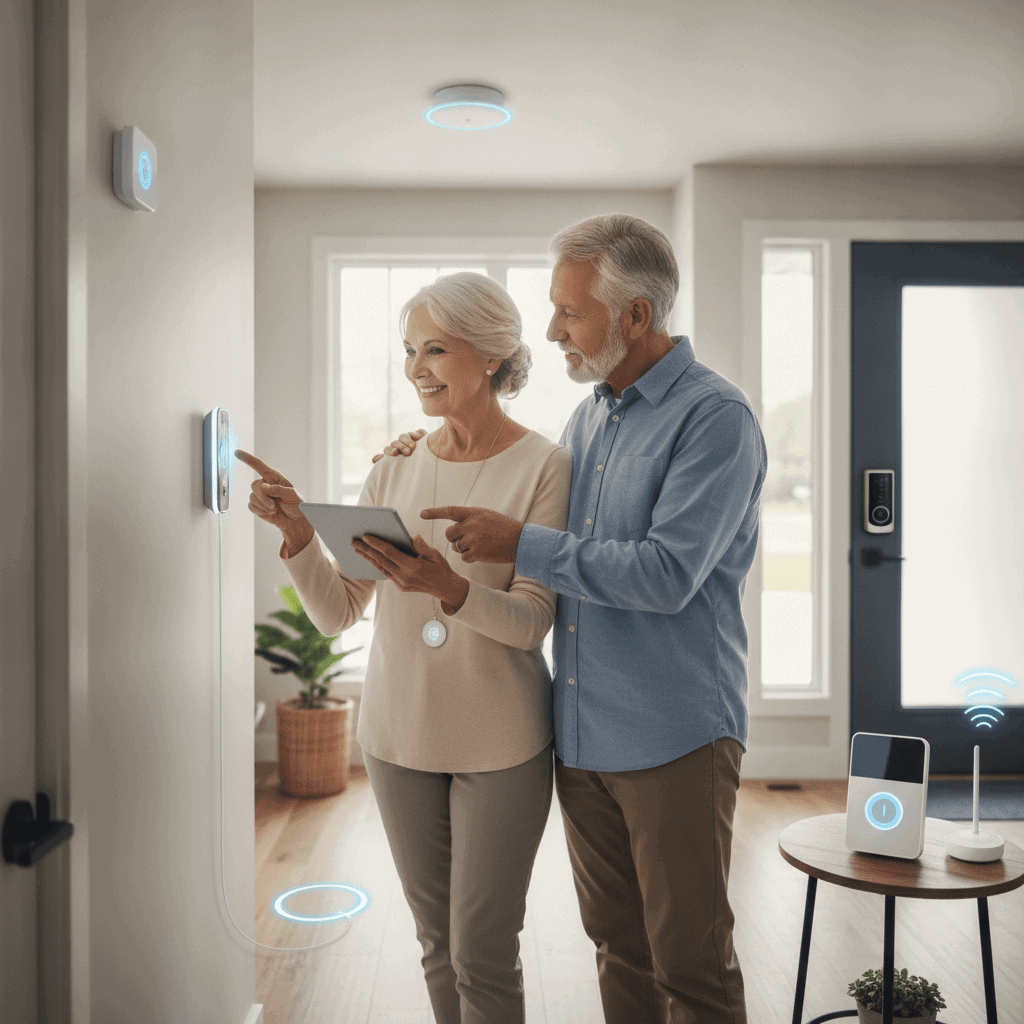
Ensuring the safety and well-being of our aging loved ones is a primary concern for many families. As individuals grow older, their needs often change, and the risk of falls or medical emergencies can increase. This is where modern technology offers powerful solutions. Choosing the right tools can make a significant difference in providing peace of mind and maintaining independence.
I understand the challenges involved in navigating the many options available today. It can feel overwhelming to select the best home safety technology for seniors. We want to make informed decisions that truly support and protect those we care about most. My goal is to help you Confidently Choose Senior Home Safety Technology by breaking down the complexities and highlighting practical considerations.
I believe that with the right information, families can select systems that offer both security and comfort. This guide will help you understand the different types of technology available, assess individual needs, and evaluate the features that matter most. We will cover everything from basic medical alert systems to integrated smart home solutions, ensuring you feel prepared to make a choice that fits perfectly.
Understanding the Landscape of Senior Home Safety Technology
The world of senior home safety technology is constantly evolving, bringing new innovations that can greatly enhance an older adult’s independence and security. It is not just about a simple button anymore. Today, these systems are more integrated and intelligent.
When I talk about senior home safety tech, I am referring to a range of devices and services designed to monitor health, prevent accidents, and provide rapid assistance when needed. This includes things like personal emergency response systems, smart home devices, and even advanced fall detection. The variety can be a bit daunting for someone new to it.
I have seen how effective these technologies can be in practice. They allow seniors to age in place, which is often their strong preference. This technology also provides comfort to family members who may live far away or have busy schedules. Knowing that there is a reliable system in place can ease a lot of worry for everyone involved.
Common Types of Safety Technology for Seniors
Let’s look at some of the main categories you will encounter. Each type serves a slightly different purpose, but many systems combine features to offer a more comprehensive safety net. We often think of these as distinct, but overlap is common.
- Personal Emergency Response Systems (PERS): These are the classic medical alert buttons. They come as pendants or wristbands. When pressed, they connect to a monitoring center or designated contacts. Many systems now offer mobile options, so seniors are protected even outside the home.
- Fall Detection Technology: This is an enhancement to PERS. Devices can automatically detect a fall without the user needing to press a button. This is crucial because many falls leave individuals unable to call for help. Some systems use accelerometers, while others use motion sensors in the home.
- Smart Home Monitoring Systems: These go beyond emergency alerts. They include smart door locks, security cameras, motion sensors, and smart lighting. These tools can help track activity, remind about medications, and even prevent wandering. They provide a broader view of safety within the home.
- Health and Wellness Trackers: While not emergency devices, wearable health trackers can monitor vital signs, sleep patterns, and activity levels. This data can alert caregivers to subtle changes that might indicate a health issue. I find these particularly useful for early intervention.
I emphasize that combining these technologies often creates the most effective safety plan. For instance, a PERS with fall detection along with some smart home sensors offers robust protection. We should always consider how different devices can work together to create a seamless safety experience.
Assessing Individual Needs and Preferences
Choosing the right senior home safety technology begins with a thorough assessment of your loved one’s specific needs, daily routines, and even their personality. What works for one person might not be the best fit for another. I always start by having an open conversation with the senior themselves and any immediate caregivers.
It is important to involve the senior in this decision-making process as much as possible. When they feel like they have a say, they are much more likely to accept and use the technology. We want to empower them, not just impose solutions. Their comfort level and preferences are key factors for success.
I find that understanding their daily life helps immensely. Are they active and often out of the house? Or do they spend most of their time at home? These details guide us toward suitable solutions. Consider their typical activities and any potential risks associated with them. The more information we gather, the better equipped we are to make a confident choice.
Key Factors to Consider for the Senior
Here are some crucial questions and areas I explore when helping families Confidently Choose Senior Home Safety Technology:
- Mobility and Fall Risk: Does the senior have a history of falls or issues with balance? If so, automatic fall detection is a non-negotiable feature. If they use a walker or wheelchair, we must ensure devices are easily accessible.
- Cognitive Abilities: How are their memory and ability to follow instructions? Simpler systems with fewer buttons and clear audio prompts are best for those with some cognitive decline. Voice-activated options can be very helpful here.
- Existing Health Conditions: Do they have chronic conditions like heart disease or diabetes that might require frequent monitoring? Remote health monitoring tools can be integrated. Conditions like epilepsy might benefit from specific alert types.
- Comfort with Technology: Is your loved one tech-savvy or do they resist new gadgets? Some seniors embrace smart devices, while others prefer the simplest possible solution. I always aim for the easiest system they will actually use.
- Living Environment: Do they live alone or with others? In an apartment or a large house? The size of the home and whether they have pets can influence sensor placement and system requirements. We also think about cellular coverage if a landline is not an option.
By carefully considering these aspects, we can narrow down the options. We move closer to finding technology that truly enhances safety without adding unnecessary complexity or stress. This personalized approach makes all the difference.
Essential Features for Reliable Senior Safety Systems
When you are ready to Confidently Choose Senior Home Safety Technology, focusing on specific features can help you evaluate and compare different systems. I always look for a balance of functionality, ease of use, and reliability. These elements ensure the technology serves its purpose effectively and consistently.
It is not just about having the latest gadgets. It is about practical features that provide real peace of mind. I often advise families to prioritize core safety functions over bells and whistles they might not truly need. Simplicity and dependability should be at the top of your list. A complicated system is one that may not be used correctly during an emergency.
We want to select a system that performs flawlessly when it matters most. This means understanding what features contribute to that reliability. It also involves thinking about how the system will integrate into daily life. An ideal system supports independence without being intrusive or difficult to manage.
Must-Have Features for Optimal Safety
Here are the crucial features I recommend evaluating for any senior home safety technology:
- Ease of Use: This is paramount. Buttons should be large and easy to press. Voice prompts should be clear. The system should not require complex interactions. Simpler means better for emergency situations.
- Reliability and Battery Life: Devices must work when needed. Check battery life for wearable devices and backup battery options for base units during power outages. Long-lasting, reliable components are a must.
- Monitoring Options: Do you prefer professional monitoring 24/7 or will a system that alerts family members suffice? Professional monitoring provides direct access to emergency services, which I find offers superior peace of mind.
- Water Resistance: Many accidents happen in the bathroom. Any wearable alert device should be water-resistant so it can be worn in the shower or bath. This is a critical safety feature.
- Range and Coverage: Ensure the system covers the entire home, including the yard if the senior spends time outdoors. Mobile PERS devices extend this protection away from home. Verify signal strength in all areas where the senior might be.
- Two-Way Communication: The ability to speak directly through the pendant or base unit to a monitor or family member is vital. This confirms the emergency and allows for quick assessment of the situation.
- Automatic Fall Detection: As mentioned, this feature can be life-saving. It automatically senses a fall and alerts help, even if the senior cannot. I consider this essential for individuals at higher risk.
By focusing on these features, you can make a selection that genuinely supports the senior’s safety and your family’s peace of mind. I find that a checklist approach helps keep everything organized during the selection process. It allows for a clear comparison of different brands and models.
Setting Up and Integrating Technology in the Senior Home
Once you Confidently Choose Senior Home Safety Technology, the next step is successful implementation. Proper setup and integration are just as important as the selection process itself. A well-chosen system will only be effective if it is installed correctly and embraced by the senior. I always emphasize a calm, patient approach to installation and training.
This phase is where the technology moves from a concept to a practical tool in daily life. It involves more than just plugging things in. It means making sure the senior understands how to use it and feels comfortable with its presence. We want the technology to feel like an aid, not an intrusion. My experience shows that proper introduction leads to better acceptance.
Think of it as adding a new layer of support and not a new burden. This perspective helps everyone involved. I often suggest making the setup a collaborative effort, even if the senior cannot physically assist. Explaining each step helps demystify the process and builds trust in the system.
Practical Steps for Successful Implementation
Here are my recommendations for setting up and integrating senior home safety technology:
- Strategic Placement: Place base units in central, easily accessible locations. Ensure motion sensors are in high-traffic areas but not prone to false alarms from pets. Consider having alert buttons in bathrooms and beside beds.
- Testing Thoroughly: After installation, test every component multiple times. Press the emergency button, simulate a fall if possible (with a professional’s guidance or careful planning), and check all communication lines. Confirm that monitoring centers or family contacts receive alerts.
- Gentle Training and Familiarization: Walk the senior through how to use each device. Practice pressing the button and speaking to the monitoring center. Explain what happens after an alert. Reassure them that it is okay to use the system whenever they feel unsafe or need assistance.
- Creating an Emergency Plan: Beyond the technology, establish a clear emergency protocol. List who to call in what order. Post important phone numbers prominently. Ensure neighbors or nearby family members know about the system and can respond if needed.
- Respecting Privacy: If using cameras or activity trackers, discuss privacy boundaries with the senior. Transparency builds trust. Explain how data is used and who has access to it. I always stress maintaining dignity and autonomy.
- Regular Check-ins and Maintenance: Establish a routine for checking batteries and testing the system. Perform monthly or quarterly tests to ensure everything still works. This proactive approach prevents issues when an actual emergency occurs.
Following these steps ensures the technology is not only present but also fully functional and readily used. This holistic approach to implementation contributes significantly to the overall safety and confidence of both the senior and their family. It creates a robust safety network.
Budgeting for Senior Home Safety Technology
When you Confidently Choose Senior Home Safety Technology, understanding the financial aspects is a key part of the decision. Costs can vary widely depending on the type of system, features, and monitoring services. I find that families often worry about the expense, but many options exist to fit different budgets. It is important to weigh the cost against the invaluable peace of mind and enhanced safety the technology provides.
I advise looking beyond the initial purchase price. Many systems involve ongoing subscription fees for monitoring. These recurring costs are an important part of the overall investment. Thinking long-term helps avoid surprises later on.
We also explore potential avenues for financial assistance or coverage. Some insurance plans, government programs, or even local community organizations might offer support. It is worth investigating these possibilities to make senior safety technology more accessible. This step can make a big difference for many families.
Cost Factors and Potential Savings
Here is what I consider when discussing the budget for senior home safety technology:
- Equipment Costs: Some systems require an upfront purchase of devices like base units, pendants, or smart sensors. Prices can range from under $100 for basic devices to several hundred for more complex smart home setups. Other providers offer equipment for free or at a low cost with a long-term contract.
- Monthly Monitoring Fees: This is often the largest ongoing expense. Basic professional monitoring services typically range from $20 to $50 per month. Systems with advanced features, like fall detection or GPS tracking, can cost more, sometimes up to $80 or $90 monthly.
- Installation Fees: Some companies charge for professional installation, especially for integrated smart home systems. DIY installation is often an option for simpler medical alert systems, saving money.
- Contract Lengths: Be aware of contract terms. Some companies require annual contracts, while others offer month-to-month flexibility. Longer contracts might come with lower monthly rates but less flexibility.
- Insurance Coverage: Check if Medicare Advantage plans, private health insurance, or long-term care insurance offer any coverage for medical alert systems. Some plans do, so it is always worth inquiring.
- Veterans Benefits: Veterans and their spouses may be eligible for assistance with the cost of certain medical alert devices through VA benefits. I encourage exploring this option.
- Flexible Spending Accounts (FSAs) and Health Savings Accounts (HSAs): These accounts can often be used to pay for eligible medical expenses, including some senior safety technologies. Consult with your plan administrator.
By understanding these cost components and exploring potential savings, families can Confidently Choose Senior Home Safety Technology that aligns with their financial situation. The investment in safety and peace of mind is truly priceless. We simply work to make it as manageable as possible.
Ongoing Review and Adaptability of Safety Systems
My advice extends beyond the initial selection and setup of senior home safety technology. It is also important to consider the long-term effectiveness of the system. The needs of our loved ones can change over time. Technology also continues to advance. Because of these reasons, regularly reviewing and adapting the safety solutions in place is a crucial step to Confidently Choose Senior Home Safety Technology. This ongoing process ensures continued protection and relevance.
I have observed that what works perfectly today might need adjustments in a year or two. For instance, a senior’s mobility might decline, making automatic fall detection more essential. Or perhaps new smart home devices become available that offer even better support. Staying proactive is vital.
We approach this with a mindset of continuous improvement. This helps us to stay ahead of potential issues and always provide the best possible care. It is a dynamic process, not a one-time decision. This commitment to adaptability truly strengthens the safety net for seniors. For more details on adapting systems, I encourage you to get the insights we provide on choosing the right safety technology.
Keeping Senior Safety Technology Up-to-Date
Here are my key recommendations for maintaining and adapting senior safety technology:
- Regular Check-ins with the Senior: Schedule periodic conversations about how they feel about the technology. Are they still comfortable using it? Are there any features they find difficult or any new needs that have arisen? Their feedback is the most valuable.
- Annual System Reviews: Once a year, review the entire system. Test all devices, check battery life, and ensure monitoring services are still active and contacts are up-to-date. This is also a good time to compare your current system with newer options on the market.
- Anticipating Changing Needs: Proactively think about future health changes. If a senior is showing early signs of cognitive decline, consider adding wander detection. If their balance worsens, ensure fall detection is robust. Planning ahead helps prevent gaps in safety.
- Software and Firmware Updates: Many smart devices receive updates. Ensure these are installed to keep the system secure and running optimally. Some updates bring new features or improve existing ones.
- Exploring New Innovations: Stay informed about new developments in senior safety technology. New sensors, AI-powered insights, and more integrated solutions emerge regularly. What was cutting-edge last year might be standard now.
- Adjusting Monitoring Plans: If a senior’s needs change significantly, their monitoring plan might also need adjustment. This could mean upgrading to a plan with more frequent check-ins or adding additional emergency contacts.
By committing to ongoing review and adaptability, we ensure that the safety technology remains effective. It continually meets the evolving needs of our senior loved ones. This approach truly allows us to Confidently Choose Senior Home Safety Technology for the long haul. It creates a flexible and responsive safety environment.
Final Thoughts on Choosing Senior Home Safety Technology
I understand the responsibility that comes with caring for aging family members. My aim has been to simplify the process of selecting the best home safety technology. We have explored the various types of systems available, from straightforward medical alerts to comprehensive smart home integration. We also discussed the importance of assessing individual needs and prioritizing essential features like ease of use, reliability, and critical functions such as fall detection. I truly believe that by taking a thoughtful and informed approach, families can make choices that truly enhance the safety and independence of their loved ones.
Budgetary considerations are always a factor, and I encourage you to explore all avenues for cost-effective solutions and potential financial assistance. Remember, the investment in safety brings immeasurable peace of mind. Finally, I stress the importance of viewing this as an ongoing process. Senior needs change and technology advances, so regular reviews and adaptability ensure sustained effectiveness. Your proactive engagement is what makes these systems truly work.
Making a decision on senior home safety technology is a significant step. It is a proactive way to show care and support. By using the insights we have shared, I am confident you can navigate the options and choose a system that is right for your family. Start these important conversations today. Empower your loved ones with the safety and independence they deserve.
 Durability Of Large Units
  School Campus Maintenance Requirements
  Quit Hesitating on Financial Debt
  Great Spots For Boat Tours
  Industrial Tools Leasing Solutions
  Tax Savings Help Retirement Planning