
How Often To Clean Commercial Carpets
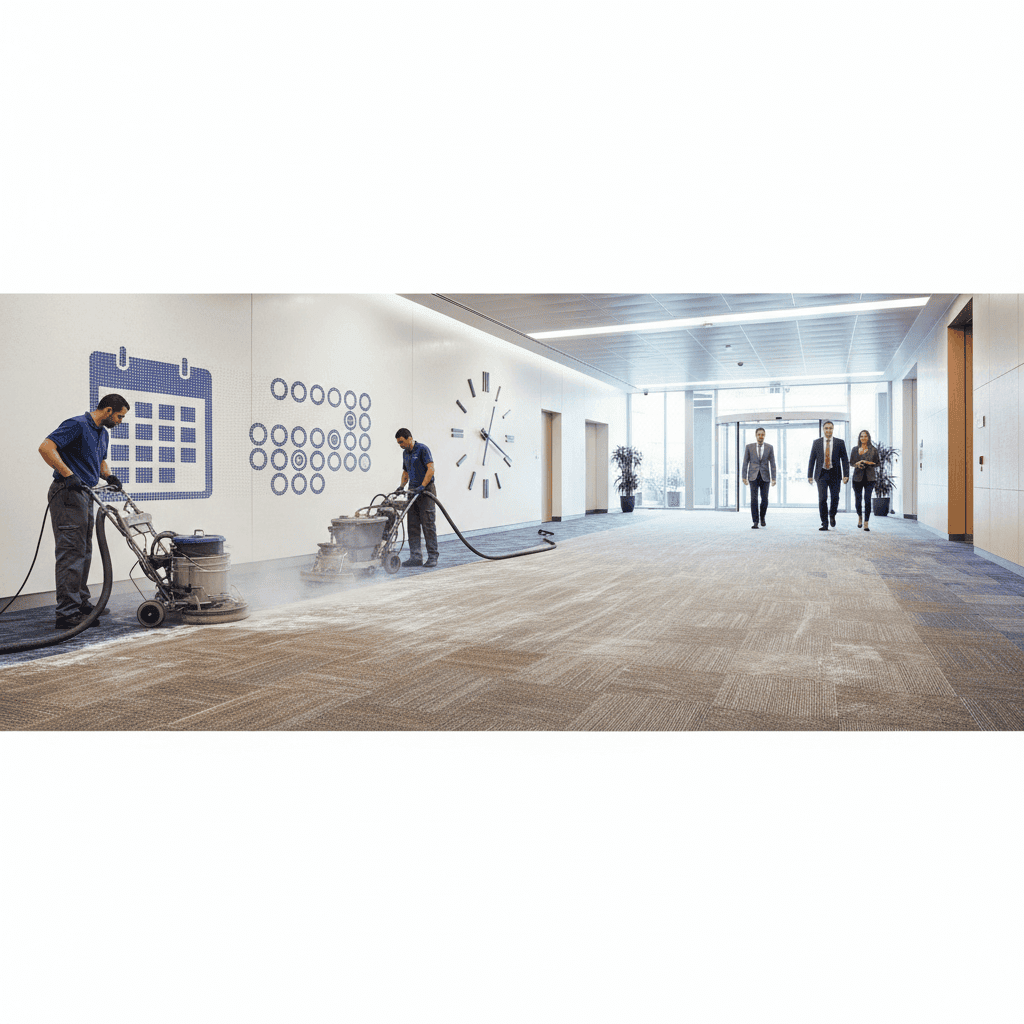
Commercial carpet maintenance is a practical decision that affects appearance, health, and the lifespan of flooring in offices, retail spaces, schools, and hospitality venues. Knowing how often to clean commercial carpets is not a single answer that fits every property. Instead it depends on traffic patterns, type of soiling, and the cleaning methods used.
This article lays out clear guidelines and real world tips to help facility managers and business owners set a cleaning schedule that reduces wear, controls allergens, and keeps spaces looking professional. You will find recommended intervals, common signs that a deep clean is overdue, and simple maintenance steps that extend the period between major cleanings.
How Often To Clean Commercial Carpets overview
The phrase how often to clean commercial carpets covers two related actions. One action is routine care such as vacuuming and spot removal. The other action is restorative cleaning such as hot water extraction or professional dry cleaning. Routine care should happen daily or weekly depending on traffic. Restorative cleaning is scheduled at intervals determined by use and environment.
For planning purposes use three bands. High traffic areas need more frequent restorative work. Medium traffic areas can wait longer. Low traffic areas can go the longest before a full recovery cleaning. Examples of high traffic include retail aisles and building lobbies. Examples of low traffic include back offices and conference rooms that are used rarely.
Factors that determine cleaning frequency for commercial carpets
Several factors influence how often a business should schedule restorative cleaning. Consider the following when creating a plan.
- Foot traffic The more people walk over the carpet the more soil, grit, and oil buildup occurs
- Type of business Medical facilities and restaurants have stricter cleanliness needs than an administrative office
- Carpet fiber and construction Nylon and wool react differently to soil and cleaning than polyester blends
- Indoor air quality concerns Spaces with allergy sufferers or poor ventilation may need more frequent cleaning
- Local climate and outside conditions Humid or rainy climates can track in mud and salt that accelerate soiling
Recommended schedules by traffic level
Below are realistic restoration cleaning intervals that work for many business types. These are starting points. Adjust based on observations and the factors listed above.
High traffic areas
High traffic zones include main entrances, lobbies, retail walkways, public corridors, and event spaces. For those areas schedule professional restorative cleaning every three to six months. In between, use daily vacuuming with a commercial upright unit that has strong agitators. Consider walk-off mats at entrances to reduce grit by up to 80 percent.
Medium traffic areas
Medium traffic spaces include staff work zones and meeting areas that see regular but not constant use. For these plan restorative cleaning every six to twelve months. Perform targeted spot cleaning when spills occur and weekly vacuuming to prevent soil compaction. Rotate furniture periodically so wear patterns remain even.
Low traffic areas
Low traffic locations such as storage rooms and seldom used offices can typically wait twelve to twenty four months for a full restorative cleaning. Light vacuuming once or twice monthly is usually sufficient. Even in low traffic areas inspect for spots and odors that indicate a need for earlier intervention.
Cleaning methods and how they affect scheduling
The chosen cleaning process affects how quickly carpets resoil and how long results last. Selecting the right method for your carpet type and soiling level changes the recommended frequency.
Hot water extraction method
Hot water extraction, sometimes called steam cleaning, is a deep method that removes embedded soil and residues. It often delivers the longest interval before recleaning is needed when performed correctly. For most high traffic areas using this method every three to six months produces noticeable improvement in appearance and air quality.
Low moisture and dry cleaning methods
Low moisture processes are useful for quick turnarounds and venues that cannot stay closed. These methods can be used more frequently for spot intensive areas but may not remove deep embedded soil as well. When using dry methods combine them with periodic hot water extraction to avoid buildup of cleaning product residues.
Daily and weekly maintenance tips to extend cleaning intervals
Routine maintenance prevents soil from settling and reduces the need for early restorative cleaning. These simple habits add measurable life to carpet investments.
- Daily vacuuming Use commercial grade vacuums and concentrate on high traffic pathways
- Immediate spot removal Address spills the same day to prevent staining
- Use entry mats Place durable mats both outside and inside entrances to trap dirt
- Train staff Create a short cleaning checklist for custodial teams to follow
- Periodic grooming Use a carpet rake or groomer after deep cleaning to redistribute fibers and speed drying
Signs you need an unscheduled deep clean
Even with a plan you will sometimes need a restorative clean earlier than scheduled. Watch for these indicators.
- Persistent odors Lingering smells after routine cleaning often mean deep soil or biological growth
- Visible matting and traffic lanes When fiber crush is obvious a restorative clean and perhaps grooming are needed
- Allergy complaints If occupants report increased reactions consider an immediate extraction service
- Stains that do not respond Old or set stains require professional treatment
- High levels of tracked in material Weather events or construction near the building can dramatically increase soil loading
Local considerations and choosing a reliable cleaning partner
Local conditions influence cleaning choices. Heat, humidity, pollen counts, and proximity to coastal areas change how quickly floors soil and how important rapid drying becomes. If you operate in a specific market contact a local provider to learn about cleaning rhythms that work in that environment. For example a provider can advise about seasonal schedules and mat placement strategies that are effective in your city
When selecting a contractor look for clear descriptions of methods, drying times, and chemical usage. Ask for references and written estimates that list the work to be done. If you want a starting point for frequency guidance in the Orlando area this resource can help with practical schedules and local insights https://freedomcleaningsolutions.com/how-often-should-commercial-carpets-be-cleaned-in-orlando/
Cost considerations and return on maintenance
Frequent light maintenance reduces the need for costly restorative work. Replacing carpet is far more expensive than maintaining it. A budget that includes routine vacuuming, spot supplies, and periodic professional restoration generally produces a lower total cost of ownership. Track cleaning activity and condition with simple photographs and a log book. That documentation supports budget requests and helps justify a preventive schedule instead of waiting for visible failure.
Practical schedule templates you can adapt
Here are three sample templates that translate the guidance above into a working calendar. Use them as a starting point and adjust for your building.
- Retail template Daily vacuuming in public zones weekly spot cleaning hot water extraction every three months mat maintenance daily
- Office template High traffic vacuuming daily medium zones weekly restorative cleaning every six to twelve months seasonal deep clean before major events
- Healthcare template Daily vacuuming and spot cleaning restorative cleaning every three months or more often if infection control protocols require
When introducing a schedule communicate it to cleaning staff and other stakeholders. Small adjustments such as adding a second entry mat or scheduling restorative cleaning during low occupancy hours can make operations smoother and lower disruption.
Commercial carpets are an investment. A reasonable maintenance rhythm based on traffic, business type, and cleaning method extends that investment and keeps facilities welcoming. Start with a written plan include daily routines and schedule restorative cleaning based on observed wear levels. Test one approach for three to six months and adjust according to results. If you have questions about specific carpet types or want tailored timing for your facility reach out to a local service provider who can inspect the space and suggest a practical schedule.
Conclusion
Deciding how often to clean commercial carpets involves balancing appearance goals, health concerns, and budget realities. High traffic areas typically require restorative cleaning every three to six months. Medium traffic areas can follow a six to twelve month rhythm. Low traffic areas often wait twelve to twenty four months. Daily vacuuming and prompt spot response reduce the need for early restorative work and stretch the useful life of flooring. Use entry mats groom fibers after cleaning and keep simple logs to measure progress. If you manage a facility start by identifying high use zones set a realistic schedule and commit to routine care. That approach keeps carpets performing well and reduces overall costs. For a practical first step inspect your space this week and mark a target deep clean date on the calendar. If you prefer a professional assessment contact a local cleaning company for a site visit and written plan that reflects how your space is used.
 Confidently Choose Senior Home Safety Technology
  Durability Of Large Units
  School Campus Maintenance Requirements
  Quit Hesitating on Financial Debt
  Great Spots For Boat Tours
  Industrial Tools Leasing Solutions